
Airplane Musings on Tradition, Crossover & The Fear of Change...
I shared a shorter version of these thoughts on Instagram, but here is a more expansive reflection that came to me on a recent flight. These thoughts always rise in me because I identify as a crossover artist. I feel whole in that identity, even though I deeply value immersing in traditions for proper technical understanding, discipline, and grit. True crossover can never happen without first understanding the traditions you are crossing over.
One person’s exploration or experimentation does not disrupt or dictate an entire tradition in most cases. This fear is often exaggerated. To be honest, classical dance forms across the world, and all the standardised and codified techniques, are actually the most impure. Classical or codified techniques usually borrow heavily from folk or social dance styles and sometimes do so without giving proper credit to their origins. These codified techniques then formalise what was once a freely interpreted, community-rooted style and turn it into a rigid structure.

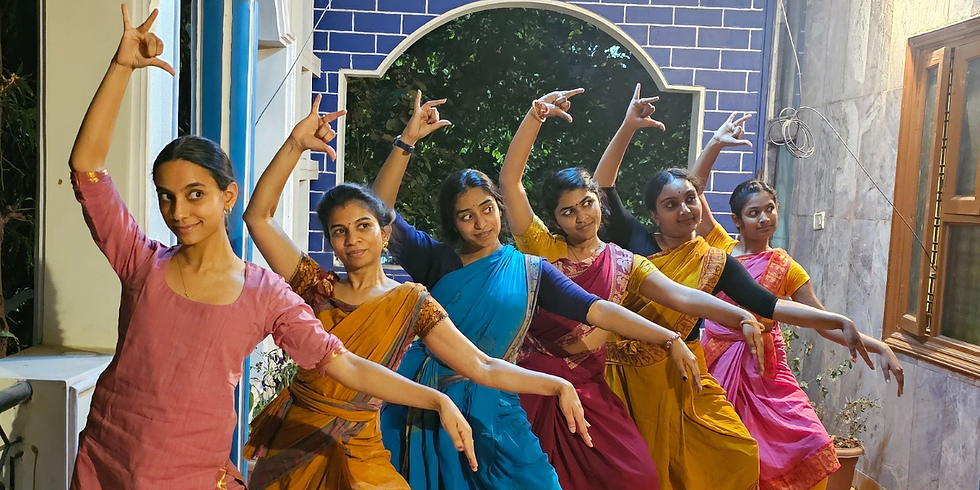
Photos by K S Krishnamurthy at The Bangalore International Centre Performance November, 2025
There is a reason I use the word form for classical techniques and the word style for folk traditions. The obsession with technique puts the form inside a box with limited ways to move because mastering a particular technical standard becomes a lifelong pursuit.
When a crossover artist blends techniques and it stirs a strong reaction within you, it is usually because you feel threatened. You fear that someone’s experimentation will erase your tradition and the sense of identity you built through it. This fear is often what gives birth to hatred, policing, and moral panic around artistic expression and freedom.
But underneath that fear lies something simple. It means you do not have enough faith in your own tradition, your own practice, and your own values to ground you. Yes, if extremely powerful people with heavy influence experiment irresponsibly, they can create a larger ripple in the cultural fabric. But most artists are simply minding their own business, exploring from pure curiosity and wonder. Let them be.
In the larger picture, the number of crossover or experimental artists is very small compared to those rooted entirely in tradition. And if someone’s experimentation feels like it is challenging the tradition itself, then that is actually the moment to reassess the boundaries and context of the tradition. Traditions must remain relevant to present day aesthetics, reality, and lived experiences. Otherwise they become museum pieces.
When curiosity simmers down and judgement takes over, art dies.
AI can replicate precise technique and placement. AI can mimic lines, shapes, and patterns. But the curious mind filled with wonder, longing, and the intention to make this world better cannot be replaced. The product oriented artist who creates only for perfection or output will be replaced very quickly.

The artists who cannot be replaced are the ones who are here for the process. The ones who refuse to let perfectionism infest their minds. The ones who are not obsessed with flawlessness but are willing to take risks to reveal the rawest versions of themselves. They remind this zombified, consumeristic world, a world that is increasingly cocooned in comfort and stability, to seek truth and only truth.
They disturb patterns that have calcified into irrelevant structures. They challenge what people subscribe to simply to fit in. They push against the greying, dulling effect of conformity.
As we become colourblind, we strip the world of all colour.
Art exists to bring the colour back.



Comments